Welcome to Zhihan Maoze International Trading (Jinan) Co., Ltd.

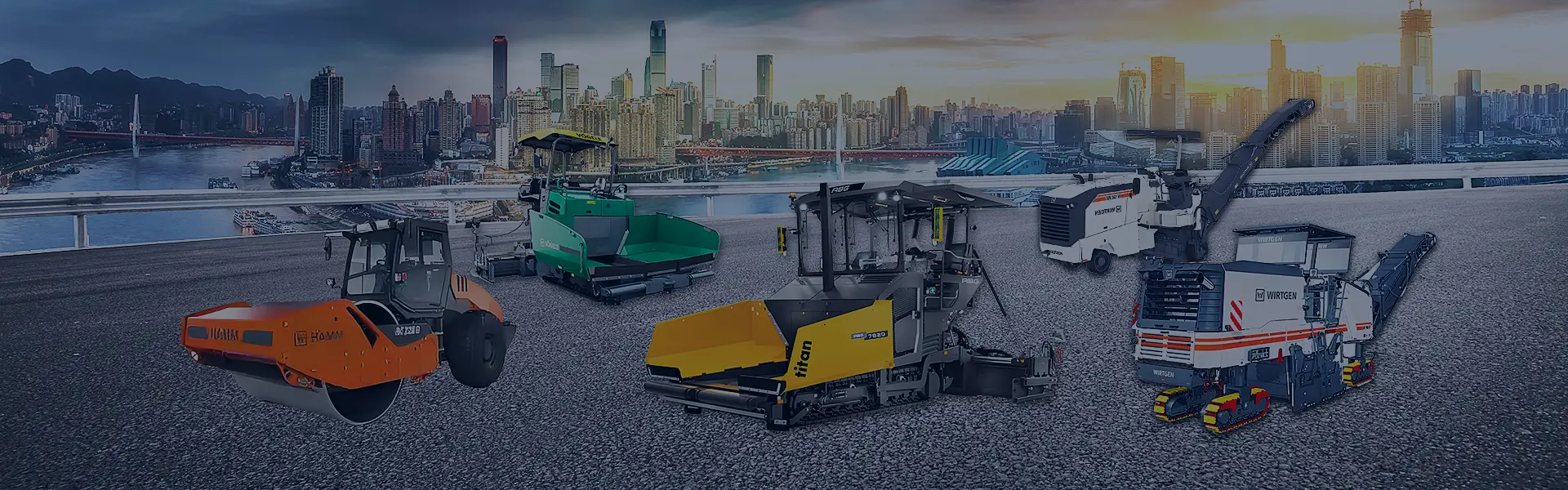
Milling Machine Track Shoes: A Comprehensive Guide to Ensuring Compatibility with Your Equipment
Release time:
2026-06-11
Author:
Source:
Milling Machine Track Shoes: Understanding Compatibility with Your Equipment Table of Contents 1. Introduction to Milling Machine Track Shoes 2. Importance of Compatibility in Milling Equipment 3. Types of Milling Machine Track Shoes 4. Factors Affecting Compatibility with Your Equipment 5. How to Choose the Right Track Shoe for Your Milling Machine 6. Maintaining Your Mil
Milling Machine Track Shoes: Understanding Compatibility with Your Equipment
Table of Contents
- 1. Introduction to Milling Machine Track Shoes
- 2. Importance of Compatibility in Milling Equipment
- 3. Types of Milling Machine Track Shoes
- 4. Factors Affecting Compatibility with Your Equipment
- 5. How to Choose the Right Track Shoe for Your Milling Machine
- 6. Maintaining Your Milling Machine Track Shoes
- 7. Common Issues with Track Shoe Compatibility and Solutions
- 8. Conclusion
- 9. FAQs
1. Introduction to Milling Machine Track Shoes
Milling machines play a critical role in construction and manufacturing, providing necessary precision and efficiency in material processing. At the heart of these machines are **track shoes**, which ensure stability and maneuverability. Understanding the compatibility of milling machine track shoes with your equipment is paramount for maximizing performance and reducing downtime. In this article, we will explore the intricacies of track shoes, their types, and how to select the right ones for your specific machinery.
2. Importance of Compatibility in Milling Equipment
**Compatibility** between milling machine track shoes and the machinery they support is essential for optimal operation. Using mismatched components can lead to a range of issues, including:
- **Increased Wear and Tear**: Non-compatible track shoes can cause uneven weight distribution, leading to premature wear.
- **Safety Hazards**: Mismatched shoes can increase the risk of accidents due to instability.
- **Operational Inefficiencies**: Machines may not perform at their best, resulting in decreased productivity and higher operational costs.
Establishing compatibility not only enhances performance but also extends the lifespan of your equipment, ensuring a better return on investment.
3. Types of Milling Machine Track Shoes
Milling machine track shoes come in various types, each designed for specific applications and environments. Understanding these types helps in making informed decisions regarding compatibility.
3.1 Steel Track Shoes
Steel track shoes are known for their durability and strength. They are commonly used in heavy-duty applications and are ideal for rough terrains. However, they may be heavier, which could impact the machine's fuel efficiency.
3.2 Rubber Track Shoes
Rubber track shoes offer a more flexible option, designed for softer surfaces. They provide excellent traction and reduced ground pressure, making them suitable for delicate environments and reducing soil compaction.
3.3 Composite Track Shoes
Composite track shoes are a blend of materials, offering the benefits of both steel and rubber. They provide a balance between durability and weight, making them versatile for various applications.
4. Factors Affecting Compatibility with Your Equipment
Several factors come into play when determining the compatibility of milling machine track shoes with your equipment.
4.1 Machine Specifications
Refer to your milling machine's specifications, including weight, size, and application, to ensure that the track shoes are suited for your model. Always cross-reference part numbers to avoid mismatches.
4.2 Operating Environment
Consider the environment where the milling machine will operate. Rocky or uneven surfaces may require different track shoes than those used in flat, stable areas.
4.3 Load Capacity
Ensure that the track shoes can support the machine's load capacity. Overloading can lead to track shoe failure, compromising safety and efficiency.
4.4 Manufacturer Recommendations
Consult manufacturer guidelines to confirm suggested track shoe types. Manufacturers often conduct extensive testing to determine which shoes work best with their machines.
5. How to Choose the Right Track Shoe for Your Milling Machine
Selecting the appropriate track shoe involves careful consideration of several factors:
5.1 Assess Your Needs
Identify the specific needs of your project, including terrain type, load requirements, and operational efficiency goals.
5.2 Consult Experts
Seek advice from equipment specialists or manufacturers. They can provide insights based on experience and help you make informed decisions.
5.3 Compare Options
Gather information on various track shoe options, focusing on their compatibility with your machine and the environments they'll operate in.
5.4 Test Before Full Purchase
If possible, test a small batch of track shoes before committing to a full order. This ensures compatibility and performance in real-world scenarios.
6. Maintaining Your Milling Machine Track Shoes
Regular maintenance of your milling machine track shoes can significantly prolong their lifespan and maintain compatibility. Here are essential maintenance tips:
6.1 Frequent Inspections
Conduct regular inspections for signs of wear, damage, or misalignment. Early detection of issues can prevent more significant problems down the line.
6.2 Cleaning
Keep track shoes clean from debris, mud, and other contaminants that can affect performance. Regular cleaning reduces wear and maintains traction.
6.4 Replace Worn Shoes Promptly
Do not delay the replacement of worn or damaged track shoes. Operating machinery with compromised components can lead to more severe equipment issues.
7. Common Issues with Track Shoe Compatibility and Solutions
Even with careful selection, issues may arise with track shoe compatibility. Here are common problems and their solutions:
7.1 Misalignment
**Symptoms**: Uneven wear or unusual noises during operation.
**Solution**: Check the installation process and ensure shoes are correctly aligned. Adjust as necessary.
7.2 Excessive Wear
**Symptoms**: Shoes wear out quickly, leading to frequent replacements.
**Solution**: Evaluate operating conditions and shoe appropriateness. Consider switching to a more suitable type.
7.3 Instability During Operation
**Symptoms**: Difficulty in maneuvering or maintaining balance.
**Solution**: Inspect the track shoes for damage and ensure they fit correctly with the machine. Consult manufacturer guidelines for proper specifications.
8. Conclusion
Ensuring the compatibility of milling machine track shoes with your equipment is crucial for optimal operation, safety, and longevity. By understanding the types of track shoes available, the factors affecting compatibility, and proper maintenance practices, operators can enhance the performance and lifespan of their machinery. This comprehensive guide serves as a valuable resource for those looking to make informed decisions regarding their milling equipment.
9. FAQs
9.1 What are the signs that my track shoes need replacing?
Common signs include excessive wear, cracks, or significant misalignment during operation.
9.2 How often should I inspect my track shoes?
Regular inspections should occur at least once a month, or more frequently if operating in harsh conditions.
9.3 Can I use different types of track shoes on the same machine?
It's not advisable to mix different types of track shoes, as this can affect performance and stability.
9.4 What is the average lifespan of milling machine track shoes?
The lifespan can vary significantly depending on usage and operating conditions but typically ranges from 1,000 to 5,000 working hours.
9.5 Where can I find replacement track shoes?
Replacement track shoes are available through equipment manufacturers, specialized retailers, or online marketplaces. Always ensure compatibility before purchase.
Key words:
Milling machine track shoes
Latest News
Inquire about product solutions now
If you are interested in our products, please submit your request immediately and we will arrange professional staff to serve you.

No.105, Building 1, Zone E, Times Headquarters Base, Tianqiao District, Jinan City, Shandong Province, China
Service Hotline