Welcome to Zhihan Maoze International Trading (Jinan) Co., Ltd.

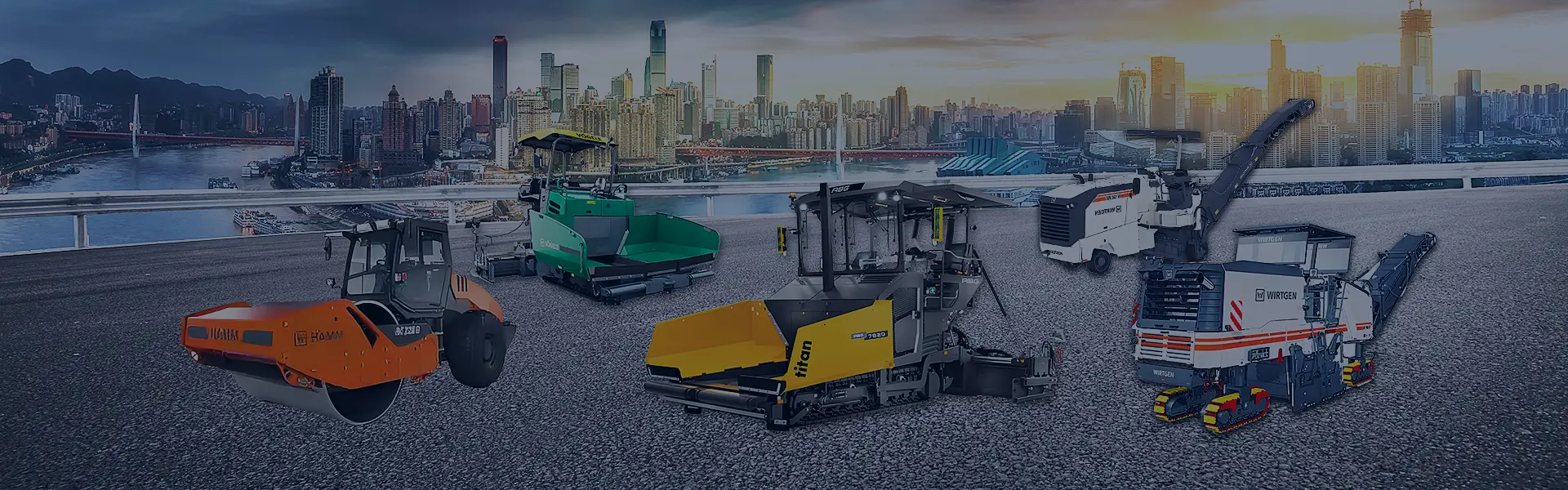
Choosing Between OEM and Aftermarket Milling Machine Track Shoes: A Comprehensive Guide
Release time:
2026-07-14
Author:
Source:
Choosing Between OEM and Aftermarket Milling Machine Track Shoes: A Comprehensive Guide Table of Contents 1. Introduction to Milling Machine Track Shoes 2. Understanding OEM Track Shoes 3. Exploring Aftermarket Track Shoes 4. Comparing OEM and Aftermarket Track Shoes 5. Cost Considerations: OEM vs. Aftermarket 6. Performance and Durability: The Key Factors 7. Installat
Choosing Between OEM and Aftermarket Milling Machine Track Shoes: A Comprehensive Guide
Table of Contents
- 1. Introduction to Milling Machine Track Shoes
- 2. Understanding OEM Track Shoes
- 3. Exploring Aftermarket Track Shoes
- 4. Comparing OEM and Aftermarket Track Shoes
- 5. Cost Considerations: OEM vs. Aftermarket
- 6. Performance and Durability: The Key Factors
- 7. Installation and Support: OEM vs. Aftermarket
- 8. Making the Right Choice for Your Needs
- 9. Frequently Asked Questions
- 10. Conclusion
1. Introduction to Milling Machine Track Shoes
Milling machine track shoes play a crucial role in the performance and efficiency of heavy machinery used in construction and engineering. These components are responsible for providing traction, stability, and durability when operating on various terrains. Choosing the right track shoes is essential for maximizing the lifetime and effectiveness of your equipment. In this guide, we will delve into the differences between Original Equipment Manufacturer (OEM) track shoes and aftermarket options, helping you make an informed decision.
2. Understanding OEM Track Shoes
OEM track shoes are manufactured by the original equipment manufacturer of your milling machine. They are designed specifically for your machinery, ensuring a perfect fit and compatibility.
2.1 Advantages of OEM Track Shoes
- **Quality Assurance**: OEM track shoes often come with a quality guarantee and are tested to meet specific safety and performance standards.
- **Compatibility**: Designed specifically for your equipment, OEM parts reduce the risk of installation issues or performance inconsistencies.
- **Warranty Protection**: Using OEM parts can help maintain your machine’s warranty, which might not be the case with aftermarket components.
2.2 Disadvantages of OEM Track Shoes
- **Higher Costs**: Generally, OEM parts are more expensive than their aftermarket counterparts, which can be a significant disadvantage for budget-conscious operators.
- **Limited Availability**: Depending on the manufacturer, OEM parts may not always be readily available, leading to downtime during repairs.
3. Exploring Aftermarket Track Shoes
Aftermarket track shoes are produced by third-party manufacturers and may not be certified by the original equipment manufacturer.
3.1 Advantages of Aftermarket Track Shoes
- **Cost-Effectiveness**: Aftermarket parts are typically more affordable, making them an attractive option for those looking to save on equipment maintenance costs.
- **Variety of Options**: The aftermarket sector often provides a wide range of products, including customizable options that may not be available from OEM suppliers.
3.2 Disadvantages of Aftermarket Track Shoes
- **Inconsistent Quality**: The quality of aftermarket parts can vary significantly between manufacturers, which may lead to poor performance or premature wear.
- **Fit Issues**: There's a risk that aftermarket track shoes may not fit as well as OEM parts, potentially leading to installation challenges and reduced machinery effectiveness.
4. Comparing OEM and Aftermarket Track Shoes
When deciding between OEM and aftermarket track shoes, it is crucial to weigh the pros and cons of each option carefully.
4.1 Performance Differences
OEM shoes are engineered for the specific machinery they are designed for, ensuring optimal performance and reliability. Aftermarket options can vary widely; some may perform exceptionally well, while others may not meet the required standards.
4.2 Cost Analysis
While OEM track shoes may have a higher upfront cost, they can offer better longevity and fewer maintenance issues, which may save money in the long run. Conversely, while aftermarket shoes are less expensive initially, they may lead to higher maintenance costs if they wear out quickly or require frequent replacement.
5. Cost Considerations: OEM vs. Aftermarket
Cost is a major factor when choosing between OEM and aftermarket track shoes, but it’s essential to analyze the overall value rather than just the initial price.
5.1 Initial Investment
OEM track shoes require a higher initial expenditure. However, this cost often includes better quality assurance and warranty benefits.
5.2 Long-Term Costs
Aftermarket parts may appear economical at first, but if they lead to rapid deterioration or require frequent replacements, the long-term costs could exceed those associated with OEM options.
6. Performance and Durability: The Key Factors
Both OEM and aftermarket track shoes can deliver varying levels of performance and durability, depending on the specific products chosen.
6.1 Testing and Standards
OEM manufacturers must comply with strict testing and performance standards, ensuring their products are reliable and durable. This level of scrutiny may not be replicated in the aftermarket sector, resulting in a broader variance in quality.
6.2 Material Quality
The materials used in the manufacturing of the track shoes heavily influence their performance. OEM parts typically utilize high-quality materials designed for longevity, while aftermarket options can vary significantly in quality.
7. Installation and Support: OEM vs. Aftermarket
Installation processes can differ based on the type of track shoes selected.
7.1 Installation Ease
OEM track shoes are designed for seamless installation with your machinery, often coming with detailed instructions and support from the manufacturer.
7.2 Aftermarket Support
Aftermarket support can be hit or miss; while some manufacturers provide excellent installation support, others may not, leading to installation complications that could affect the performance of the track shoes.
8. Making the Right Choice for Your Needs
Choosing the right track shoes involves understanding your specific machinery requirements, budget, and long-term maintenance plans.
8.1 Assessing Your Needs
Evaluate how frequently you use your milling machine and the conditions under which you operate it. This assessment will help determine whether the investment in OEM parts is justified or if high-quality aftermarket options can meet your needs.
8.2 Testing Before Committing
Before making a large purchase, consider trying out a set of aftermarket track shoes if possible. This will provide insight into their performance and longevity compared to your current OEM parts.
9. Frequently Asked Questions
9.1 What is the primary difference between OEM and aftermarket track shoes?
The primary difference lies in the manufacturer; OEM track shoes are made by the original equipment manufacturer, while aftermarket track shoes are produced by third-party companies.
9.2 Are aftermarket track shoes reliable?
Reliability can vary significantly among aftermarket manufacturers. It’s essential to research and choose reputable brands known for quality.
9.3 Can using aftermarket track shoes void my warranty?
Using aftermarket parts may void warranties on certain machinery. Always check the warranty terms before making a purchase.
9.4 How do I know which option is best for my machinery?
Assess your operational needs, budget, and willingness to manage potential risks associated with both OEM and aftermarket options.
9.5 Are there any performance guarantees with aftermarket track shoes?
Performance guarantees can vary by manufacturer. It’s crucial to check the terms of any aftermarket parts you consider purchasing.
10. Conclusion
Choosing between OEM and aftermarket milling machine track shoes requires careful consideration of various factors, including cost, compatibility, and performance. While OEM parts provide a level of assurance in quality and fit, aftermarket options can offer significant savings and flexibility. Ultimately, understanding your specific machinery needs and weighing both options will empower you to make the best decision for your equipment and operational requirements. Whether you prioritize budget, quality, or availability, the right choice will enhance the performance and longevity of your milling machine's track shoes, ensuring efficient operations in your engineering and construction projects.
Key words:
Milling machine track shoes
Latest News
Inquire about product solutions now
If you are interested in our products, please submit your request immediately and we will arrange professional staff to serve you.

No.105, Building 1, Zone E, Times Headquarters Base, Tianqiao District, Jinan City, Shandong Province, China
Service Hotline